



BLOG
- ELİTE WORLD HOTELS & RESORTS
- BLOG
- HİSTORİCAL PLACES İN THE ANCİENT CİTY OF DİYARBAKIR
Historical Places in the Ancient City of Diyarbakır
.jpg)
Diyarbakır is one of those rare cities that gently invites its visitors into a layered and ever-unfolding journey of discovery. Walking along millennia-old city walls, sipping tea in the courtyard of a stone-built caravanserai, or quietly watching the passage of time beneath the arches of a historic bridge are just a few of the experiences this city offers. Let us set out together to explore the historical sites of Diyarbakır, where every stop presents a story of its own.
Diyarbakır City Walls
Recognized as one of the longest and most resilient fortification systems in the world, the Diyarbakır City Walls are a remarkable structure that carries the layered traces of many different eras into the present day. Stretching approximately six kilometers in length, the history of this defensive line is believed to reach back as far as 3000–2500 BCE. These walls stand almost like a vast frame, gently suspending the collective memory of Diyarbakır within their enduring stone surfaces. Shaped over centuries by the influence of diverse civilizations, the walls seem to bring together, side by side, the disciplined military order of the Romans, the refined stone craftsmanship of the Artuqids, and the careful, restorative approach of the Ottoman period.
The city walls are located approximately seven kilometers from the city center. Walking along the fortification line, especially in the early hours of the morning or close to sunset, offers a truly enjoyable experience for those who wish to explore Diyarbakır more deeply. Moreover, the Diyarbakır City Walls and the Hevsel Gardens together form a special area that is included on the UNESCO World Cultural Heritage List. When you step onto the walls which are open to visitors throughout all four seasons, you can simultaneously observe the present-day rhythm of the city and the enduring traces that were etched into the stone surfaces by centuries of history.
Hasan Paşa Hanı (Hasan Pasha Caravanserai)
.jpg)
Located about 25 kilometers away from the city center, Hasan Paşa Hanı (Hasan Pasha Caravanserai) is one of the stops truly worth lingering over. Standing strong for nearly 450 years, this structure reflects the classical Ottoman caravanserai layout with its two-story design, spacious courtyard, and centrally positioned domed fountain. It is best not to think of this place as a quick stop, as the restaurants, cafés, and bookshops within transform it into a vibrant and living space.
Sitting beneath the stone arches with a cup of coffee, wandering through the courtyard while examining architectural details, or spending time in small shops all feel like natural parts of the visit. Its close proximity to the Diyarbakır Grand Mosque also makes the hours spent here an opportunity to grow more intimately familiar with the city.
Malabadi Bridge
.jpg)
Situated in the Silvan district, Malabadi Bridge is described by Evliya Çelebi as a structure dating back to the Abbasid period. According to his writings, the bridge was commissioned by a wealthy merchant of the city. This magnificent single-arched bridge measures 150 meters in length and possesses an extraordinary distinction: with its sharply pointed main arch spanning 40 meters, it is known as the stone bridge with the widest surviving arch opening in the world. On both sides of the arch and within its interior, there are two chambers that once served as shelters for caravans and travelers, offering protection and rest along their journeys.
The relief carvings of human figures, the sun, and lions adorning the bridge provide valuable insight into the symbolic language of the era while lending the structure a powerful architectural identity. When you encounter the bridge, you will witness far more than an impressive photographic scene. You will stand face to face with the engineering ingenuity and aesthetic sensibilities of the past, discovering the natural landscape of the city.
Gazi Mansion
Also known as Samanoğlu Mansion, Gazi Mansion is a historical structure dating back to the 15th century. Its most memorable feature is its association with Mustafa Kemal Atatürk, who used the building as his headquarters while serving as a corps commander in Diyarbakır during World War I. Today, the two-story mansion houses Atatürk’s personal belongings, region-specific antiques, and valuable works of art.
Located outside the Mardin Gate on the western slope of the Dicle Bridge, Gazi Mansion lies approximately five kilometers away from the city center of Diyarbakır. After your visit, you can stroll through the garden and observe the view extending toward the Dicle Valley from different perspectives. Especially during quieter hours, taking a photo break that is accompanied by the scenery and absorbing the atmosphere of the mansion can be a truly pleasant and calming experience.
A Comfortable Pause After Exploring the City: Elite World Comfy Diyarbakır
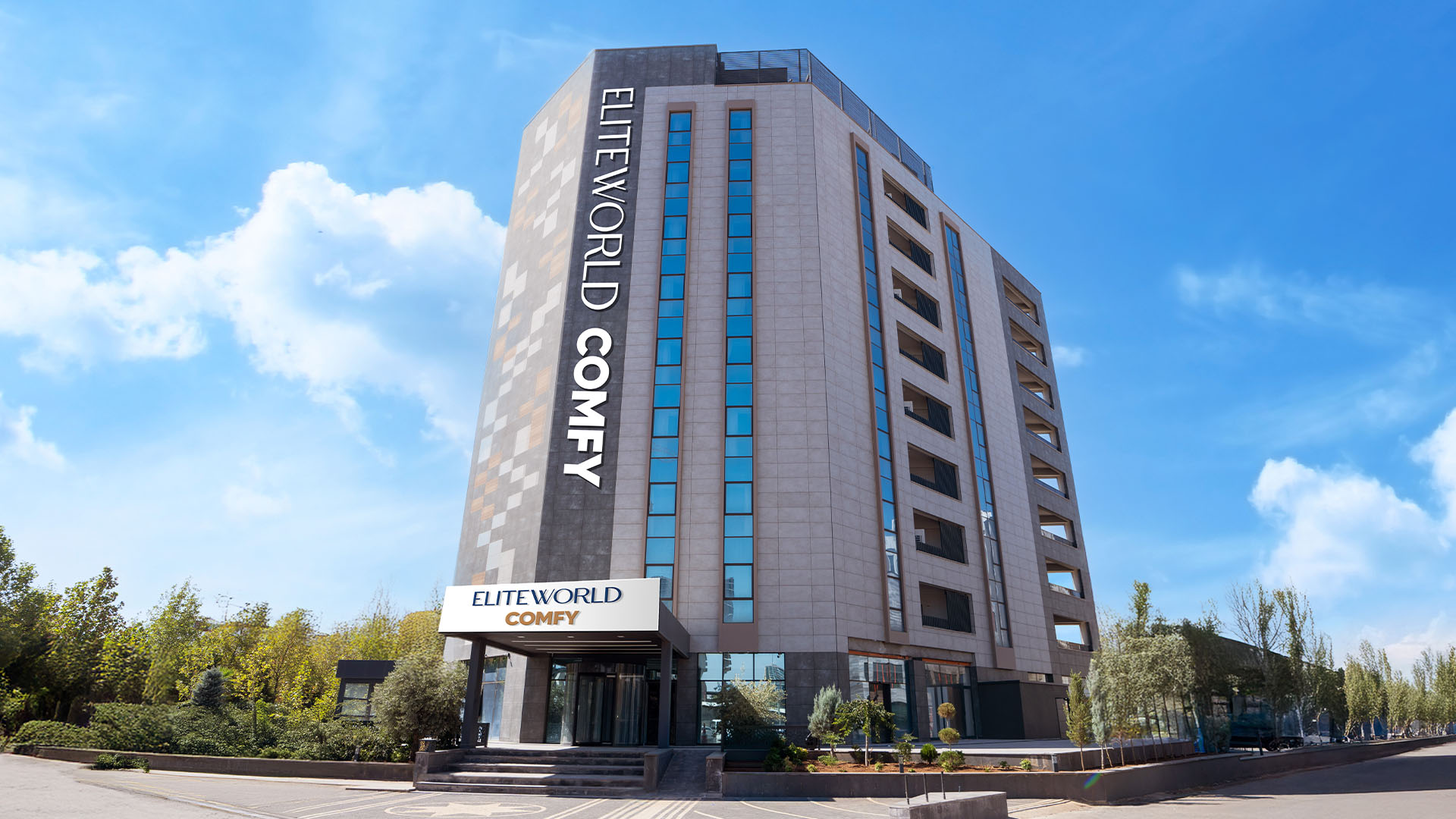
After spending time walking along the walls of Diyarbakır and exploring its caravanserais, bridges, and mansions, you may wish to conclude your journey at a place that offers both comfort and ease. In that case, Elite World Comfy Diyarbakır stands out as an ideal choice, thanks to its convenient location and thoughtful amenities. Situated six kilometers away from Diyarbakır Airport and eight kilometers from the city center, the hotel offers an accessible and effortlessly comfortable accommodation option for guests who spend their days exploring the city.
As the first Elite World Hotels & Resorts property in Southeastern Anatolia, Elite World Comfy Diyarbakır can be confidently chosen for both cultural excursions and business travel. With 77 modernly designed rooms, a restaurant area that turns dining into a relaxing break, SPA facilities that help ease the day’s fatigue, and many additional services, the hotel is ready to welcome you. After discovering Diyarbakır step by step, you can choose Elite World Comfy Diyarbakır for a meticulously curated accommodation experience.