








BLOG
- ELİTE WORLD HOTELS & RESORTS
- BLOG
- The History of Cologne, a Cherished Tradition in Turkish Culture
The History of Cologne, a Cherished Tradition in Turkish Culture

Few sensory traditions are as deeply embedded in Turkish hospitality as offering cologne. For generations, this refreshing, fragrant spirit has been presented to guests upon entering a home—whether welcoming family during festive holidays or greeting everyday visitors. But how did a scented liquid come to hold such an indispensable place in Turkish culture? Who first crafted this iconic fragrance? Let us journey through the fascinating history and intriguing heritage of Turkish cologne.
It Is Not Known for Certain Who Made Cologne First
Historical accounts suggest that cologne was first concocted in 1690 by Jean Paul Feminis, an itinerant peddler living in Cologne, Germany—though definitive proof of its absolute origin remains elusive. Feminis passed his secret formula to Giovanni Antonio Farina, who later entrusted it to his nephew, Giovanni Maria Farina. Perfecting the formula, Farina produced early batches under the moniker of "lavender water." By the early nineteenth century, production spread to France, where it was introduced as eau de Cologne—water of Cologne—a name that soon captivated the world.
Cologne Was Once Used for Medicinal Purposes Rather Than as a Cosmetic
In its early centuries, cologne was prized not as a personal fragrance, but as a potent medicinal elixir. Blending essential oils of rosemary, orange blossom, bergamot, and lemon, the mixture was often ingested—drizzled onto sugar cubes or mixed into wine—to treat digestive ailments. It was equally revered as an antiseptic solution for wound care, a soothing mouthwash, and a topical liniment for muscle and joint pain.
After Being Used for Cleaning, Cologne Became a Favorite Among the Bourgeoisie!
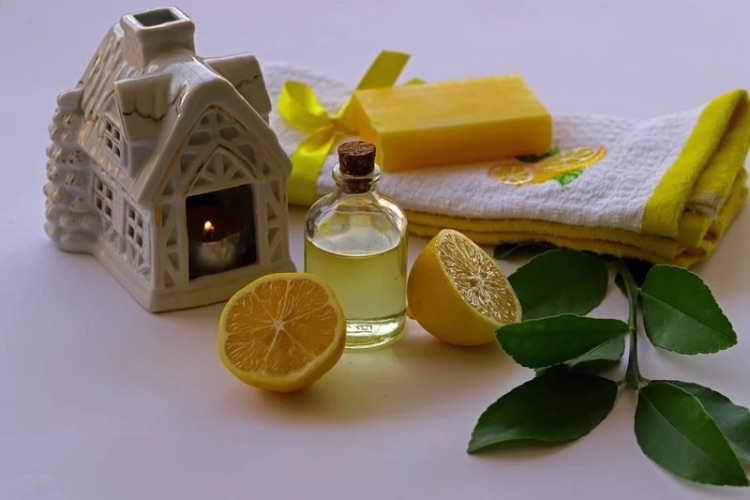
By the eighteenth century, cologne transitioned from medicine to personal hygiene and refreshment. During a period defined by sharp social shifts, heavy, suffocating perfumes fell out of favor with the rising bourgeoisie. In their place, the crisp, uplifting aroma of cologne emerged as a refined symbol of purity, elegance, and cleanliness.
Cologne Arrived in the Ottoman Empire During the Early Years of Sultan Abdülhamid II’s Reign
Farina's famous Eau de Cologne first entered Ottoman lands during the early reign of Sultan Abdülhamid II as a luxury import. But when was local production born? It was pharmacist Ahmet Faruki who created the empire's first domestic version. Adapting the French Eau de Cologne into the local vernacular, Faruki introduced a household legacy. Thanks to its straightforward crafting process and accessible cost, cologne gained rapid popularity across the country, swiftly embedding itself into traditional hospitality rituals—a cherished custom that remains vibrant to this day.
Cologne Has Evolved Over Time While Never Losing Its Place in Turkish Culture
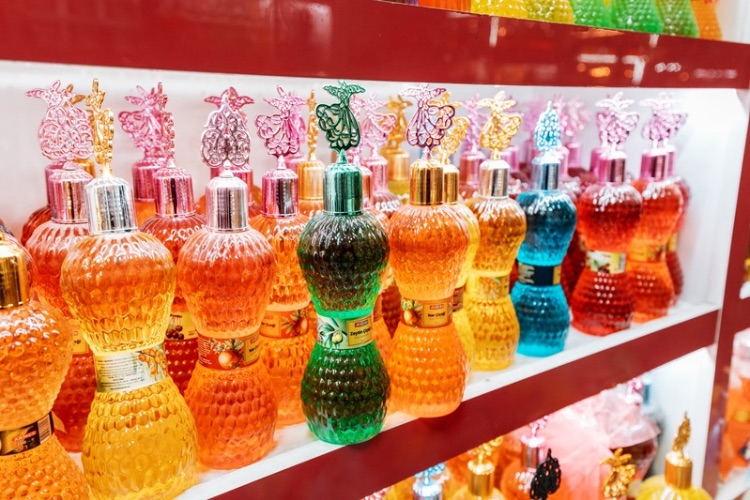
Across the Anatolian landscape, Turkish cologne evolved into a rich regional tapestry. Today, almost every province boasts its signature botanical blend: Altın Damlası (Golden Drop) from İzmir, citrus blossom from Antalya, green tea from Rize, rich tobacco blossom from Düzce, crisp apple from Amasya, and delicate olive blossom from Ayvalık... Remaining resilient through changing eras, cologne has never lost its prized place in Turkish culture, continuing to mark holiday gatherings, wellness visits, and journeys across generations.


