








BLOG
- ELİTE WORLD HOTELS & RESORTS
- BLOG
- A Nation’s Story of the Future: October 29 Republic Day
A Nation’s Story of the Future: October 29 Republic Day
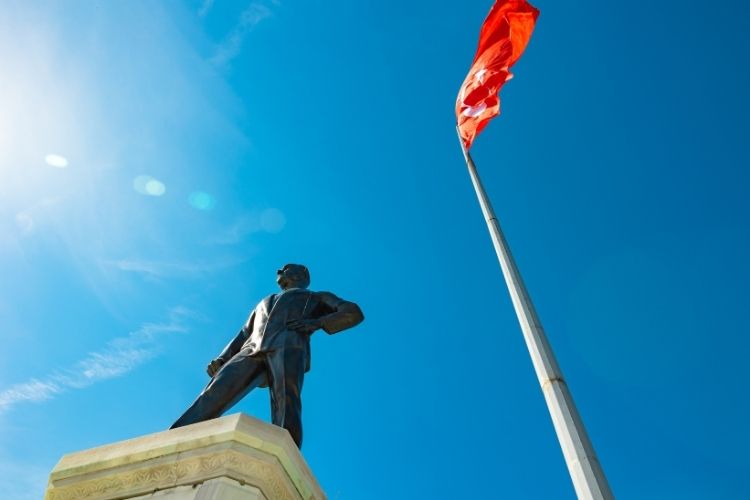 History changes direction at certain moments; October 29, 1923, was precisely such a day. Following years of the National Struggle (Millî Mücadele), the newly established state sowed the seeds of a contemporary and bright future alongside the Republic.
The journey leading to the proclamation of the Republic was far too long and comprehensive to fit into a single day. The opening of the Grand National Assembly of Türkiye (Türkiye Büyük Millet Meclisi) on April 23, 1920, established the political center of the National Struggle. Subsequent military victories, the abolition of the sultanate on November 1, 1922, the Treaty of Lausanne, and the declaration of Ankara as the capital shaped the founding process of the new state. Finally, on October 29, 1923, the Republic was proclaimed.
As we celebrate October 29, let us look back at this extended process and the role the Republican regime played in the transformation of Türkiye.
Steps Taken with Determination
World War I, which engulfed the globe, unfortunately left the Turkish nation exhausted; hardship, wartime destruction, and a scarcity of resources enveloped every corner of the country. Yet, the cherished Turkish nation was fully aware that the strength to change this fateful trajectory lay within itself.
Through the iron will demonstrated in the face of impossibilities, the Turkish nation succeeded in winning its independence. The political and military steps taken during that era made it possible both to win the war and to lay the political and legal foundations of the new Turkish state.
Every member of this cherished homeland wrote a grand epic of resistance to defend the nation's lands. This struggle formed the bedrock of the process leading to the founding of the independent Republic of Türkiye.
The Rebirth of a Nation
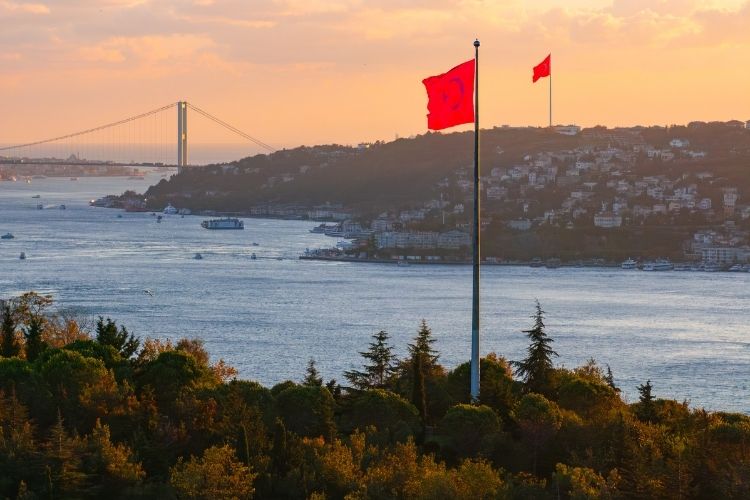
The proclamation of the Republic on October 29, 1923, marked the formal determination of the new Turkish state's form of government following a prolonged struggle. With the constitutional amendment passed in the Grand National Assembly of Türkiye (TBMM) that day, the governance model of the State of Türkiye was established as a Republic. Mustafa Kemal Paşa was elected as the first President.
Behind this decision lay a political and military transformation spanning several years. In transitioning from the parliamentary government system to a new state order, a fundamental shift occurred in the understanding of sovereignty. At the heart of Republican governance lay the concepts of popular will and national sovereignty.
Heroic epics written on the battlefronts combined with the determination echoing from parliamentary rostrums to ignite a flame of freedom in Ankara. That ignited flame became the Turkish nation's greatest gateway from darkness to light.
The Value of the Republic
The significance of the Republic extended far beyond its proclamation on October 29, 1923. Following years of war, the new state faced a comprehensive transformation process: reshaping the nation's law, education, culture, and social life. The reforms instituted in the early years of the Republic formed an integral part of this transformation. In 1924, the Law on Unification of Education (Tevhid-i Tedrisat Kanunu) gathered educational institutions under a single roof. In subsequent years, new regulations were implemented across numerous fields, ranging from the legal system to women's social and political rights.
These changes allowed the Republic to be viewed not merely as a system of governance, but as an era that reorganized diverse spheres of society. The expansion of educational institutions, developments in culture and the arts, the emphasis placed on scientific research, and women's stronger participation in public life were among the prominent transformations of this period. In particular, granting women the right to vote and run for office was one of the pivotal milestones in the political and social evolution of the Republican era.
Today, appreciating the value of the Republic is not merely about remembering past events. It is possible to see traces of this legacy in the work of a researcher producing science, the dreams of a student receiving an education, the output of a young artist, or the dedication of anyone working in their field. Passing the Republic on to future generations gains meaning not only by commemorating these values, but by continuing to produce across education, science, culture, art, and professional life.
Forever with This Light!
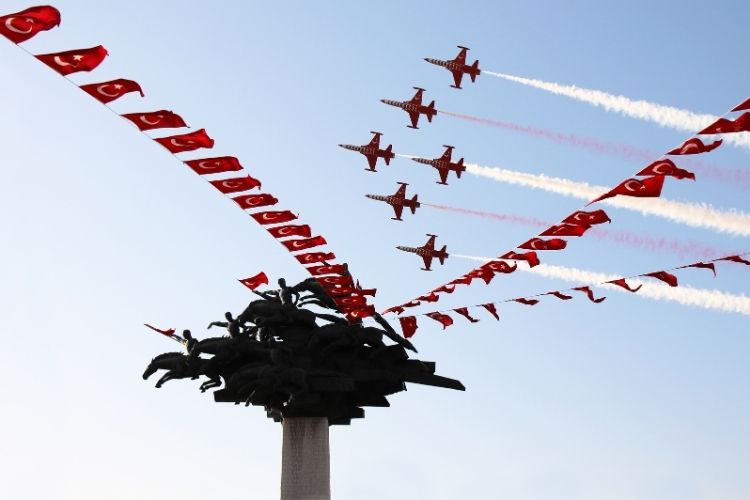
October 29, 1923, is the day a new chapter opened in Türkiye’s history. The passing years provide an important timeframe for understanding the change and transformation extending from the founding of the Republic to the present day.
Today, as we celebrate Republic Day (Cumhuriyet Bayramı), we remember those who contributed to different stages of this journey. We commemorate all the heroes of the National Struggle (Millî Mücadele), above all Gazi Mustafa Kemal Atatürk, with respect and gratitude.
On the 103rd anniversary of the Republic, carrying the heritage of the past into the future is a shared responsibility for us all. Happy October 29 Republic Day!


